Areas of Focus, Modalities & Populations Served
I offer in-person and telehealth therapy for individuals, couples, and families in Oregon. I don't view symptoms like anxiety, depression, anger, or burnout as flaws — I see them as understandable adaptations to hard experiences, trauma, and/or a modern world that puts a lot of strain on our nervous systems. My work integrates practical strategies that help you feel steadier right away with deeper, longer-term healing.


Trauma Healing & Integration (Parts Work & Somatic Regulation)
Trauma Healing & Integration (Parts Work & Somatic Regulation): Life-altering stress, relational trauma, or ongoing marginalization change how our minds and bodies respond to the world. Often that leaves people stuck at one extreme or another — hyper-activated (angry, anxious, on edge) or shut down and exhausted.
Immediate Grounding (Polyvagal-Informed Care): Early on, I focus on practical mind-body tools to help steady your nervous system and widen the range of what you can handle day to day.
Internal Family Systems (IFS): As an IFS Level 1-trained clinician, I approach reactive or protective parts of you — including things like substance use, isolation, dissociation, hypervigilance, disordered eating, or perfectionism — with curiosity instead of judgment. The goal is never to get rid of these parts, but to understand what they were protecting you from. When they learn to trust you to take the lead, they often relax — which frees up real space for calm, clarity, and presence.
Somatic & Parts Integration: Sometimes your mind knows the past is over, but your body still reacts like the danger is happening now. Drawing on Janina Fisher's somatic approach, we work with physical sensations and nervous system responses directly, not just by talking about the past — which can reach places that talk therapy alone doesn't.
Mindfulness-Based CBT: An activated nervous system tends to generate a flood of catastrophic thoughts. By pairing cognitive awareness with present-moment mindfulness, we practice noticing these thought loops without getting pulled into them — so you can see your thoughts clearly instead of being run by them.

Couples Counseling & Relational Therapy
Couples Counseling & Relational Therapy: Relationships are where a lot of our growth and struggle happens, and it's easy for partners to get stuck in the same exhausting loops of conflict or distance. In my work with couples, the relationship itself is the client. I offer a structured, even-handed space aimed at breaking those defensive patterns and rebuilding a bond that can actually hold up under stress.
Intimacy from the Inside Out (IFS-Informed Couples Counseling): I use an approach that asks each partner to turn inward first — learning to notice and speak for the parts of themselves that get reactive or defensive, instead of speaking from them. When you can see your partner's anger or silence as a protector shielding something more vulnerable underneath — rather than an attack on you — things start to shift. As those protective guards ease up, couples move out of blame and shame and into real understanding of what's underneath, which opens the door to genuine connection.
Healing Attachment Injuries & Infidelity: Drawing on attachment science, Emotion-Focused Therapy, and Relational Life Therapy (RLT), I help couples work through the pain of broken trust, address imbalances in emotional labor or power, and repair the ruptures that get in the way of feeling secure with each other again.

Older Children, Adolescents, & Systemic Family Support
With 17 years of experience teaching in public schools, I have a deep, lived understanding of the pressures facing youth and families today. I offer a supportive space for youth (ages 9+) and families working through behavioral challenges, identity development, emotional distress, or strained relationships.
Experiential Youth Therapy (Ages 10+): With older kids and young teens, I use active approaches like sand trays, miniature figures, and role-play. This gives them a way to externalize and map out what's going on inside — often in a playful way that doesn't put them on the spot to answer direct questions. Kids can discover, make sense of, and put words to big feelings without needing to talk about them head-on.
Relational & Family Sessions: Family conflict can leave everyone feeling exhausted and misunderstood. Rather than picking sides, I work with parents and children together, drawing on Emotionally Focused Therapy (EFT) and Nonviolent Communication (NVC). We practice communicating real feelings and unmet needs without blame or shame, untangling long-standing friction so the family can rebuild mutual respect. Healing happens through connection — and connection happens when everyone finally feels safe, seen, and heard.
Translating Attachment Science into Everyday Strategies: Drawing on the Dan Hughes attachment model, I help translate developmental science into realistic, everyday approaches for busy, stressed families. My goal is to help you understand what your child actually needs underneath their behavior, so you can build a secure bond through curiosity, love, and healthy boundaries.

Neurodiversity-Affirming ADHD Support (Adolescents & Adults)
ADHD isn't a deficit of attention — it's a neurological difference. It's a distinct way of being wired that carries real creativity, hyper-focus, and passion alongside real executive functioning challenges. My approach helps adolescents and adults move away from years of shame and toward a rhythm that actually works for your brain.
How We Work Together:
Dismantling Shame: Years of trying to force yourself into a neurotypical mold leaves a mark. I work with you to untangle the shame, depression, and anxiety that often build up after a lifetime of feeling misunderstood, or being called "lazy" when you weren't.
Actionable Habits: Together, we build practical strategies for time management, organization, and focus — tools that work with your brain's natural dopamine chemistry instead of fighting it.
The Systemic Impact: ADHD doesn't exist in a vacuum. We look at how it shows up in your relationships — with parents, partners, and coworkers — to build mutual understanding and ease the friction around behaviors that often get misread.
Finding Your Right Environment: Managing ADHD isn't just about coping with hard environments — it's also about seeking out the ones where you naturally thrive. Together, we'll get clear on your specific strengths and think through what settings, relationships, and work actually bring out the best in you.
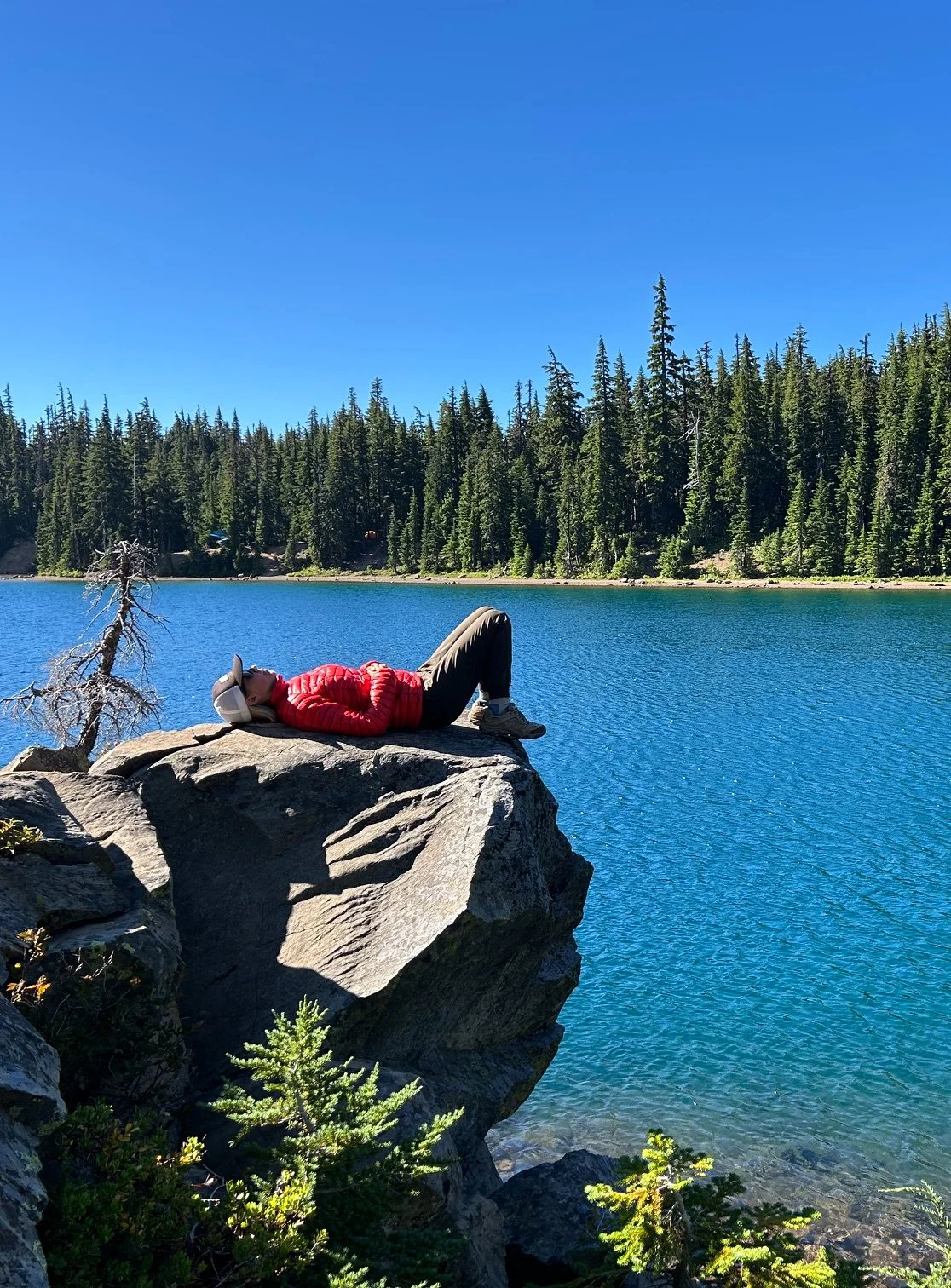
Sleep, Nutrition, Movement, & Mindfulness
While I'm not a sleep specialist, registered dietitian, or personal trainer, I have training and experience in understanding how sleep, nutrition, physical activity, and mindfulness influence mental health and emotional well-being. These areas can play a meaningful role in reducing symptoms of anxiety, depression, stress, ADHD, and burnout while supporting greater resilience and overall well-being.
If improving any of these areas is important to you, I'm happy to help you identify realistic, sustainable goals and use research-informed strategies to turn those goals into lasting habits. Rather than prescribing a one-size-fits-all plan, we'll work together to find approaches that fit your life, values, and circumstances.
I use motivational interviewing to meet you where you are in the change process, recognizing that lasting change happens when it aligns with your own goals, values, and readiness. Whether you're hoping to sleep more consistently, move your body more often, develop a healthier relationship with food, or build a mindfulness practice, our work will always be collaborative and tailored to what matters most to you.
Populations Served
Individual & Lifespan
Youth & Teens (10+)
Young Adults & Adults
Older Adults (65+)
Relationships & Family
Couples Therapy
Parents & Caregivers
Family Systems
Specialized Support
ADHD & Neurodivergence
PTSD & Complex/Relational Trauma
Men's Issues
Life & Career Transitions
Educators & Medical Providers (Burnout)
LGBTQ+ and Culturally Affirming Care
* I respectfully do not work with children or adolescents who are brought to therapy against their will. Clinical experience and research show that meaningful therapeutic progress relies on the client being at least somewhat open, motivated, and willing to engage. Forcing a resistant youth into therapy often backfires, whereas honoring their current readiness builds a much stronger foundation for future growth.